Mercer Gasket & Shim delivers precision-engineered sealing solutions for exhaust systems, whether you need a single emergency replacement for Maintenance, Repair, and Operations (MRO) or high-volume production for Original Equipment Manufacturers (OEMs). Backed by decades of experience serving diverse industries where managing high-heat emissions and backpressure is paramount, we have the expertise and advanced manufacturing capabilities to meet your exact specifications for exhaust sealing.
Ready to discuss your exhaust sealing requirement? Contact us today! Keep reading to learn more about the industries we serve and the sealing solutions we provide, or call us and speak with a sealing expert. Ready to send an RFQ?
Industries Served
Exhaust systems are the vital discharge pathways of combustion and industrial processes, and their seals are critical for containing toxic gases, managing extreme heat, and protecting downstream components.
Oil and Gas: Large-scale compression engines and power generation units at midstream sites require robust exhaust manifolds. High-integrity seals are critical for preventing gas leaks and ensuring safe operation in volatile environments where surface temperatures must be strictly controlled.
Power Generation: Gas turbines and reciprocating engines rely on exhaust seals to manage massive thermal expansion. Specialized gaskets are essential for withstanding constant thermal cycling and preventing energy-robbing leaks in heat recovery steam generators (HRSGs).
Marine: Marine propulsion and auxiliary engines operate in confined, high-vibration spaces. Exhaust seals in this environment must be highly resistant to thermal shock and capable of maintaining a seal against the corrosive effects of salt air and moisture.
Mining and Heavy Equipment: Off-highway vehicles operate under extreme loads, generating intense exhaust heat. Resilient seals are necessary to withstand vibration and structural stress, ensuring operational continuity in the most demanding earth-moving applications.
Chemical Processing: Exhaust flues manage the byproduct of high-temperature reactions and incinerators. Reliable seals prevent the escape of corrosive or hazardous vapors, ensuring environmental compliance and worker safety.
Manufacturing: Industrial furnaces, ovens, and kilns require precise exhaust management to maintain process temperatures. Effective seals prevent heat loss that could lead to system inefficiency and inconsistent product quality.
Automotive and Transportation: From commercial trucking to performance racing, exhaust seals manage the transition from headers to catalytic converters. High-performance gaskets are vital for preventing “blow-by“ and ensuring emissions systems function at peak efficiency.
Core Categories of Exhaust Solutions
Solution Type
Mechanism
Best For…
Manifold Gaskets
Multi-layer steel or composite gaskets that seal the engine block to the exhaust header.
High-vibration, high-heat engine head connections.
Flange Gaskets
Heavy-duty rings or full-face gaskets compressed between exhaust pipe segments.
Standard industrial exhaust piping and turbocharger mounts.
Expansion Joints
Flexible bellows that absorb thermal growth and vibration.
Long exhaust runs and large-scale power generation ducts.
Collector Gaskets
High-density seals designed for the high-pressure merge point of exhaust headers.
Performance engines and high-flow industrial discharge.
Heat Shields & Wraps
Thermal barriers that contain radiant heat within the exhaust stream.
Protecting sensitive electronics and reducing ambient cabin heat.
Commonly Used Sealing Solutions for Exhausts
Reinforced Graphite Gaskets
Why: Graphite is naturally resistant to extreme heat (up to 450°C in oxidizing atmospheres and much higher in non-oxidizing environments). When reinforced with a metal core (tanged or foil), these gaskets offer excellent conformability for warped or uneven exhaust surfaces.
Where: A staple for MRO repairs on older industrial engines and heavy machinery where flange surfaces may not be perfectly flat.
Spiral Wound Gaskets
Why: Designed for high-pressure exhaust transitions, these gaskets utilize a V-shaped metallic winding with a non-metallic filler. They provide exceptional resilience and recovery under fluctuating thermal loads.
Where: Used primarily in turbine exhausts and high-pressure industrial flue gas systems.
Factors Influencing Exhaust Sealing Selection
The choice of a sealing solution for an exhaust application is dictated by the aggressive nature of combustion byproducts and thermal physics:
Extreme Operating Temperatures: Exhaust gases can reach temperatures well exceeding 700°C. We prioritize materials like Inconel, 321 Stainless Steel, and High-Purity Graphite that won’t degrade or lose their seal force at peak heat.
Thermal Expansion (CTE): As exhaust components heat up, they grow significantly. Our solutions account for the Coefficient of Thermal Expansion, ensuring the seal can slide or flex without shearing or losing compression.
Vibration and Harmonic Stress: Exhaust systems are subject to constant mechanical vibration. We select gaskets with high recovery rates to ensure they stay tight even as the system shakes during operation.
Corrosion and Oxidation Resistance: Combustion byproducts (like sulfur oxides) can be highly corrosive. We utilize alloys and coatings that resist oxidation and scaling, extending the lifespan of the connection.
Backpressure Requirements: A leaking exhaust seal can disrupt the pressure balance required for turbochargers or emissions equipment. We ensure a zero-leak seal to maintain engine efficiency and emissions compliance.
Mercer’s experienced team considers all of the above to provide expert guidance in exhaust sealing solution selection. We help you manage the heat and contain the flow, ensuring your systems remain safe and efficient. Whether for high-volume OEM production or critical MRO replacements, we have the material science to handle the heat. Contact the Mercer team or send us your RFQ today!
Mercer Gasket & Shim delivers precision-engineered sealing solutions for fluid and gas distribution manifolds, whether you need a single emergency replacement for Maintenance, Repair, and Operations (MRO) or high-volume production for Original Equipment Manufacturers (OEMs). Backed by decades of experience serving diverse industries where reliable fluid distribution and gathering are paramount, we have the expertise and advanced manufacturing capabilities to meet your exact specifications for manifold sealing.
Ready to discuss your manifold sealing requirement? Contact us today! Keep reading to learn more about the industries we serve and the sealing solutions we provide, or contact us and speak with a sealing expert.
Industries Served
Manifolds are the critical distribution and gathering hubs of any fluid or gas system, and their seals are vital for directing media across multiple channels without cross-contamination or external leakage.
Oil and Gas: Manifolds—like choke, kill, and subsea distribution manifolds—are essential for directing the flow of crude oil, natural gas, and fracturing fluids. High-integrity flange and block seals are critical for preventing blowout risks, ensuring safety, and maintaining strict environmental compliance under extreme pressures and harsh media conditions.
Chemical Processing: In applications handling corrosive acids, solvents, and complex mixing operations, reliable multi-port manifold seals are vital for containing hazardous materials. Robust custom gaskets and O-rings prevent external leaks and ensure that different media channels do not cross-contaminate, maintaining process integrity and safety.
Water and Wastewater Treatment: Distribution and collection manifolds regulate the massive flow of water through filtration, reverse osmosis, and aeration systems. Durable, water-resistant manifold seals prevent pressure drops that could lead to system inefficiency, ensuring the reliability and output of municipal and industrial water infrastructure.
Power Generation: Power plants rely on manifolds to distribute high-pressure steam to turbines or manage complex cooling water circuits. High-performance flange gaskets are essential for withstanding severe thermal cycling, preventing hazardous steam leaks, and maximizing energy production efficiency.
HVAC and Refrigeration: Radiant heating and commercial refrigeration systems rely on manifolds to distribute chilled water, hot water, or refrigerants across various zones. Dependable manifold seals prevent leaks of expensive gases or circulating media, ensuring the energy efficiency and proper balancing of large-scale climate control systems.
Food and Beverage: Clean-in-place (CIP) and product distribution manifolds are used to route ingredients and cleaning fluids without breaking system sterility. Hygienic manifold seals are paramount for preventing dead legs, eliminating microbial growth, and meeting stringent health and sanitation regulations.
Pulp and Paper: Hydraulic and chemical manifolds manage corrosive treatments and heavy machinery controls throughout the paper-making process. Resilient manifold seals are necessary to withstand chemical attack and continuous pressure, ensuring operational continuity and reducing maintenance downtime.
Marine: Fuel, ballast, and hydraulic steering manifolds are used extensively on ships to route vital fluids. Manifold seals in this environment must be highly resistant to saltwater corrosion and capable of maintaining a tight seal under the ship’s constant vibration and movement.
Manufacturing: Fluid power manifolds control hydraulic oils and pneumatic air for heavy machinery, automated presses, and robotics. Effective manifold face and port seals prevent pressure loss that could lead to erratic equipment behavior, system downtime, and inefficient production cycles.
Commonly Used Sealing Solutions for Manifolds
Flange and Port Gaskets
Why: Gaskets are primarily used to seal the external connection points between the manifold block and the incoming/outgoing piping or tubing. They create a static, pressure-tight seal essential for safely bridging the distribution hub with the rest of the system. Materials range from compressed non-asbestos fiber and elastomeric sheets for low-pressure pneumatics to metallic and spiral wound gaskets for high-pressure hydraulic or steam applications.
Where: They are found on nearly all bolted manifold assemblies, including intake and exhaust ports, and system tie-ins. These seals are a core requirement for both OEM fabrication of new blocks and MRO rebuilds during system overhaul.
Plate and Custom Manifold Gaskets
Why: Complex multi-port manifolds often require highly customized, multi-hole gaskets to seal the intricate channeling between stacked plates or sub-bases. Unlike standard ring gaskets, these custom-cut seals isolate multiple fluid galleries simultaneously, preventing internal fluid bypass and pressure loss. They are typically precision-cut from durable elastomers, PTFE, or composite materials to match exact port layouts.
Where: Essential for stacked hydraulic valves, custom pneumatic bases, and multi-circuit distribution blocks. They are one of the most critical components for ensuring proper flow routing without internal cross-talk.
O-Rings and Boss Seals
Why: O-rings and bonded seals are often used for internal manifold components, such as sealing the cavities around inserted cartridge valves or SAE straight-thread ports. They are elastomeric seals (e.g., Buna-N, Viton, Polyurethane) that provide an excellent, high-pressure static seal in confined grooves. Their resilience makes them ideal for absorbing the pressure spikes common in fluid power distribution.
Where: Common in hydraulic and pneumatic control blocks, subplate mountings, and instrumentation manifolds. They are a staple for both OEM block design and rapid MRO port servicing.
The choice of a sealing solution for a manifold application is highly dependent on the complexity of the block and the environment it operates in:
Fluid Characteristics: The media’s corrosivity, temperature, and chemical makeup dictate the required material compatibility and thermal resistance of the seal. This is crucial for preventing seal degradation when a single manifold distributes volatile or aggressive media.
System Pressure and Pulsation: For fluid power manifolds, the presence of hydraulic shock (pressure spikes) is critical. High-pressure applications require robust extrusion-resistant materials, backup rings, or reinforced gaskets to prevent the seal from blowing out of its groove.
Port Configuration and Complexity: The proximity of internal channels requires highly precise, often custom-engineered seals. Choosing the right tolerance and material prevents internal cross-channel leakage, which is essential for maintaining accurate fluid logic and system control.
Operating Conditions: Extreme ambient temperatures, heavy vibration, or exposure to harsh external elements necessitate highly robust materials and advanced sealing designs to maintain bolt load and joint integrity over the manifold’s lifespan.
Maintenance Requirements and Lifespan: The desired service life of the distribution block and the accessibility for replacing multi-port gaskets are important considerations for minimizing downtime and managing the OEM total cost of ownership.
Mercer’s experienced team considers all of the above to provide expert guidance in manifold sealing solution selection. We carefully evaluate critical factors to ensure your fluid distribution systems operate with optimal safety, efficiency, and environmental compliance. We’re committed to helping you find the perfect sealing solution for your specific industry and manifold application, whether for MRO or OEM needs. Contact the Mercer team today!
Facing a critical valve challenge? Mercer Gasket & Shim delivers precision-engineered sealing solutions for valves, whether you need a single emergency replacement for Maintenance, Repair, and Operations (MRO) or high-volume production for Original Equipment Manufacturers (OEMs). Backed by decades of experience serving diverse industries where reliable fluid control is paramount, we have the expertise and advanced manufacturing capabilities to meet your exact specifications for valve sealing.
Valves are the control points of any fluid system, and their seals are critical for isolating, throttling, and diverting media without leakage.
Oil and Gas: Valves—like ball, gate, and globe valves—are essential for controlling the flow of crude oil, natural gas, and refined products at every stage. High-integrity valve stem and bonnet seals are critical for preventing fugitive emissions, ensuring safety, and maintaining strict environmental compliance in high-pressure and high-temperature environments.
Chemical Processing: In applications handling corrosive acids, solvents, and high-purity chemicals, reliable valve seals are vital for containing hazardous materials. Robust stem packing and body gaskets prevent external leaks and ensure that the process media is not contaminated, maintaining process integrity and safety.
Water and Wastewater Treatment: Control valves, check valves, and isolation valves regulate the massive flow of water and sewage. Durable, water-resistant valve seals prevent leaks that could lead to water loss or infiltration of contaminants, ensuring the efficiency and sanitation of public health infrastructure.
Power Generation: Power plants rely on valves to control high-pressure steam for turbines and manage cooling water flow. High-performance valve packing and gaskets are essential for withstanding extreme thermal cycling and pressure, preventing steam leaks, and maximizing energy production efficiency.
HVAC and Refrigeration: Valves regulate the flow of refrigerants, chilled water, and hot water in commercial systems. Dependable valve seals prevent leaks of expensive refrigerants or circulating media, ensuring the energy efficiency and proper functioning of large-scale climate control systems.
Food and Beverage: Sanitary diaphragm and butterfly valves are used to control the flow of ingredients and finished products. Hygienic valve seals are paramount for preventing microbial growth, cross-contamination, and meeting stringent health and sanitation regulations.
Pulp and Paper: Valves manage abrasive pulp slurry, corrosive chemicals, and large volumes of water throughout the paper-making process. Resilient valve seals are necessary to withstand erosion and chemical attack, ensuring operational continuity and reducing maintenance needs.
Marine: Control valves are used extensively on ships for ballast, fuel, and engine cooling systems. Valve seals in this environment must be highly resistant to saltwater corrosion and capable of maintaining a seal under the ship’s constant vibration and movement.
Manufacturing: Valves control cooling fluids, hydraulic oils, and specialized gases in various production processes. Effective valve seals prevent leaks that could lead to system downtime, equipment damage, and inefficient material use.
Commonly Used Sealing Solutions for Valves
Valve Gaskets (Body and Bonnet)
Why: Gaskets are primarily used to seal the joint between the main valve body and the bonnet (the cover that holds the internal components). They create a static, pressure-tight seal that is essential when the valve is assembled and during maintenance. Materials range from compressed non-asbestos fiber and PTFE for general service to spiral wound gaskets for high-pressure, high-temperature applications.
Where: They are found in nearly all bolted valve assemblies, including gate, globe, check, and pressure relief valves. These seals are a core requirement for both OEM fabrication and MRO rebuilds during valve overhaul.
Valve Stem Packing
Why: Packing is the critical sealing element around the valve stem—the moving rod that opens and closes the valve. Unlike static gaskets, stem packing is a dynamic seal designed to prevent fluid loss around a moving part. It is typically constructed of braided rings (like PTFE, graphite, or aramid) that are compressed into a stuffing box to create a reliable seal while allowing the stem to rotate or slide.
Where: Stem packing is essential for all manual and actuated valves that utilize a sliding or rotating stem, such as gate, globe, ball, and control valves. It is one of the most common MRO components for preventing fugitive emissions.
O-Rings
Why: O-rings are often used in internal valve components, such as sealing the seats or around the spool in hydraulic and pneumatic control valves. They are elastomeric seals (e.g., Buna-N, Viton, EPDM) that provide an excellent, cost-effective static seal in a confined groove under moderate temperature and pressure. Their simplicity makes them ideal for high-volume, precision sealing.
Where: Common in small-bore, high-cycle, or precision valves like solenoid valves, small ball valves, and instrument valves. They are a staple for both OEM design and specific MRO cartridge replacements.
The choice of a sealing solution for a valve application is highly dependent on how the valve is used and the environment it operates in:
Fluid Characteristics: The media’s corrosivity, temperature, and pressure dictate the required material compatibility and thermal resistance of the seal. This is crucial for both the body gasket and the stem packing.
Valve Operation and Cycle Rate: For dynamic seals like stem packing, the frequency of valve actuation (e.g., how often the valve is opened and closed) is critical. High-cycle applications require more durable, low-friction packing materials.
Fugitive Emission Requirements: Strict regulations (e.g., EPA or API standards) regarding leakage of volatile organic compounds (VOCs) require specialized, low-emission packing designs, often utilizing high-density graphite or advanced PTFE compounds.
Operating Conditions: Extreme temperatures, high pressures, or the presence of aggressive steam or gas necessitate highly robust materials and advanced sealing designs to maintain integrity over the valve’s lifespan.
Maintenance Requirements and Lifespan: The desired service life of the valve and the ease of replacing the packing or gasket are important considerations for both MRO inventory and OEM total cost of ownership.
Mercer’s experienced team considers all of the above to provide expert guidance in valve sealing solution selection. We carefully consider critical factors to ensure your fluid control systems operate with optimal safety, efficiency, and environmental compliance. We’re committed to helping you find the perfect sealing solution for your specific industry and valve application, whether for MRO or OEM needs. Contact the Mercer team today!
Facing a critical pipe sealing challenge? Mercer Gasket & Shim delivers precision-engineered sealing solutions, whether you need a single emergency replacement for MRO or high-volume production for OEMs. Backed by decades of experience serving diverse industries where reliable fluid transfer is paramount, we have the expertise and advanced manufacturing capabilities to meet your exact specifications for pipe sealing.
Ready to discuss your sealing requirement? Contact us today! Keep reading to learn more about the industries we serve and the sealing solutions we provide, or contact us and speak with a sealing expert.
Industries Served
Oil and Gas: Pipes are the arteries of the oil and gas industry, transporting crude oil, natural gas, and refined products across vast distances. Reliable gasketing and sealing solutions are critical for preventing leaks in pipelines, refineries, and processing plants, ensuring safety, environmental compliance, and operational efficiency.
Chemical Processing: In the production of fertilizers, pharmaceuticals, and plastics, pipelines transfer a wide range of corrosive, abrasive, and high-temperature chemicals. Robust pipe seals are vital for containing hazardous materials, preventing spills, and maintaining process integrity.
Water and Wastewater Treatment: Municipal and industrial water systems rely on an extensive network of pipes to move raw water, treated water, sewage, and sludge. Effective pipe seals prevent leaks, protect water quality, and ensure the integrity of public health infrastructure.
Power Generation: Power plants use complex piping systems to circulate water in cooling towers, transport steam to turbines, and move fuel. High-performance pipe seals are essential for withstanding extreme temperatures and pressures, preventing costly downtime, and maintaining energy production efficiency.
HVAC and Refrigeration: Large-scale commercial and industrial HVAC systems depend on pipes to circulate refrigerants, chilled water, and hot water. Dependable pipe sealing solutions prevent leaks that could lead to energy loss, system inefficiency, and equipment damage.
Food and Beverage: The food and beverage industry uses hygienic piping to transport liquids like milk, juices, sauces, and spirits. Sanitary pipe seals are crucial for preventing contamination, ensuring product purity, and meeting stringent health and safety regulations.
Pulp and Paper: Throughout the manufacturing process, pipes move abrasive pulp slurry, corrosive chemicals, and large volumes of water. Durable pipe seals are necessary to withstand these harsh conditions, ensuring operational continuity and preventing environmental contamination.
Marine: Ships and marine facilities use extensive piping for ballast water, engine cooling, fuel transfer, and firefighting systems. Pipe seals in this environment must be resistant to saltwater corrosion and able to withstand the vibrations and pressures of maritime operations.
Manufacturing: From metal finishing to textile production, many manufacturing processes rely on piped fluids for cooling, lubrication, and waste removal. Effective pipe seals prevent leaks that could damage equipment, disrupt production, and create unsafe working conditions.
Commonly Used Sealing Solutions for Pipes
Gaskets
Why: Gaskets are the most common solution for sealing stationary connections between two pipe flanges. They create a static seal by filling the microscopic irregularities on the flange faces, preventing fluid leakage. Gaskets are available in a wide variety of materials, including compressed non-asbestos fiber, rubber, PTFE, and spiral wound metal, allowing them to be customized for a wide range of fluid types, temperatures, and pressures.
Where: They are ubiquitous in nearly all piping systems, from low-pressure water lines to high-pressure steam pipes. Gaskets are a cornerstone for MRO in pipeline maintenance and a key component for OEMs in the initial construction of piping assemblies.
O-Rings
Why: O-rings are simple, cost-effective, and highly versatile seals, typically made from elastomeric materials like Buna-N, Viton, or EPDM. They are designed to be compressed in a groove between two mating surfaces, creating a reliable seal under moderate pressure and temperature. Their circular shape allows them to be compressed equally in all directions, making for an effective and easy-to-install seal.
Where: Used extensively in smaller pipe connections, valve fittings, and specialized couplings where a simple, reliable static seal is needed. They are a common choice for both OEM assembly and MRO repairs due to their adaptability and wide material compatibility.
Joint Sealants & Tapes
Why: Unlike pre-formed gaskets, joint sealants and tapes (like PTFE tape or pipe thread sealant) are applied directly to the threads of pipe connections. They work by filling the gaps between the male and female threads, creating a leak-proof seal as the connection is tightened.
Where: They are primarily used in threaded pipe connections, particularly in plumbing, HVAC, and industrial applications where traditional flange gaskets aren’t applicable. These are staple products for general MRO and are used by plumbers and pipefitters on a daily basis.
The choice of a sealing solution for a piping application depends on several critical factors, including:
Fluid Characteristics: The type of fluid being transported (e.g., its corrosivity, temperature, viscosity, and pressure) dictates the required material compatibility and seal design.
Operating Conditions: The system’s pressure, temperature, and any presence of vibration or stress are crucial for determining the robustness of the seal. High pressures and temperatures often require more advanced solutions like spiral wound gaskets.
Pipe and Flange Type: The specific type of pipe, material, and flange design (e.g., raised face, flat face) will determine the compatible sealing solutions.
Leakage Tolerance: For applications where any leakage is unacceptable (e.g., hazardous chemicals or clean processes), a highly effective and reliable seal is essential to ensure safety and compliance.
Maintenance Requirements and Lifespan: The desired service life of the seal and the ease of future maintenance are important considerations for both MRO and OEMs.
Mercer’s experienced team considers all of the above to provide expert guidance in pipe sealing solution selection. We carefully consider critical factors to ensure your fluid transfer systems operate with optimal safety, efficiency, and environmental compliance. We’re committed to helping you find the perfect sealing solution for your specific industry and pipe application, whether for MRO or OEM needs. Contact the Mercer team today!
Mercer Gasket and Shim is proud to announce the expansion and modernization of our Custom Kammprofile gasket and double jacketed gasket manufacturing facilities in response to the growing demands of our customers. With increased capacity and adherence to the best manufacturing practices, we are now better equipped than ever to handle quick turnaround and emergency orders.
To accommodate this expansion, we have dedicated 7000 square feet of our plant solely to the manufacturing of these specialized products. Our state-of-the-art facility boasts an array of cutting-edge equipment, including:
2 Kammprofile machines
2 sizing tables
2 rolling machines
2 waterjet machines
2 laser jets
3 welding stations
Backed by decades of experience, the Mercer team comprises skilled experts who stand ready to assist you in every step of the process, from design and development to the precise manufacturing of even your most challenging requirements. Mercer is ISO 9001:2015 registered.
Mercer Gasket & Shim offers an array of sealing solutions for the process industries, our sealing solutions can be found throughout the industrial supply chain. Mercer Gasket and Shim can assist with all your rail car, tank sealing needs for a range of tank car applications including manway lids, bottom outlet valves, flange connections and a host of others.
When transporting bulk commodities or hazardous materials by railway requires a safe, economical, and low maintenance manway sealing solutions, Mercer Gasket & Shim highly recommends Durlon brand SecureSnap™. Duron products not only meet the aforementioned requirements, their products have stood the test of time as an industry favorite.
Why does Mercer Gasket favor Durlon brand SecureSnap™ manway gaskets?
Consider this Challenge:
A potential problem with a standard AAR-1 manway gasket is that the conventional design must be precisely made with tight tolerances to fit snugly into a dovetailed groove so that it remains in place once installed. When this does not happen the potential for NARs is heightened. The required tolerances for these conventional style gaskets are difficult to achieve and create quite a bit of scrap during the manufacturing process. In addition, if the ID is too small, installation becomes difficult if not impossible. On the other hand, if the ID is too large the gasket will easily fall out of the groove and into the manway nozzle. The result of this happening will cause leaks, splashes, and other releases from an improperly secured manway cover.
The Solution
The increased flexibility of the SecureSnap™ manway gasket enables the user to install the gaskets more quickly than the conventional gasket. The tabs allow for the SecureSnap™ manway gasket to easily snap into the dovetail groove. Thus, the time required to install the SecureSnap™ gasket is significantly less than the time required to install a standard manway gasket.
The Benefit
The flexibility of the SecureSnap™ manway gasket also renders the gaskets more versatile than the conventional gasket. The SecureSnap™ gasket will accommodate more than one style of manway system (dependent on end user approval) meaning that distributors can stock one size of gasket for multiple manway designs, therefore reducing inventory and overall cost.
Contact us for a quote or answers to your questions regarding SecureSnap™ or any of our manway or tank car sealing solutions.

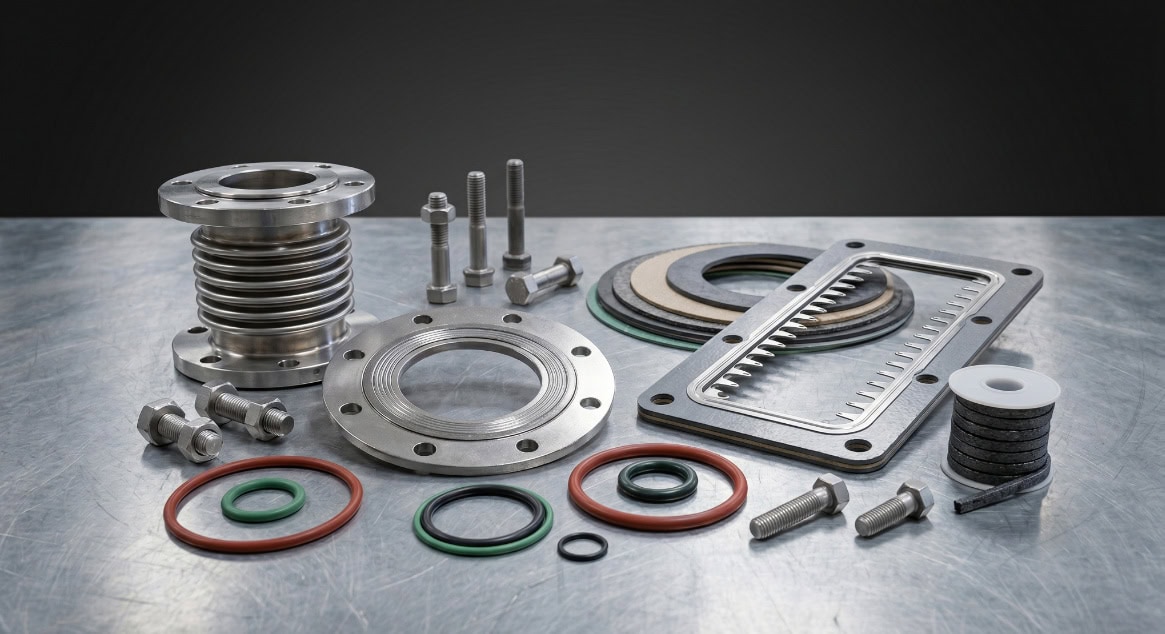
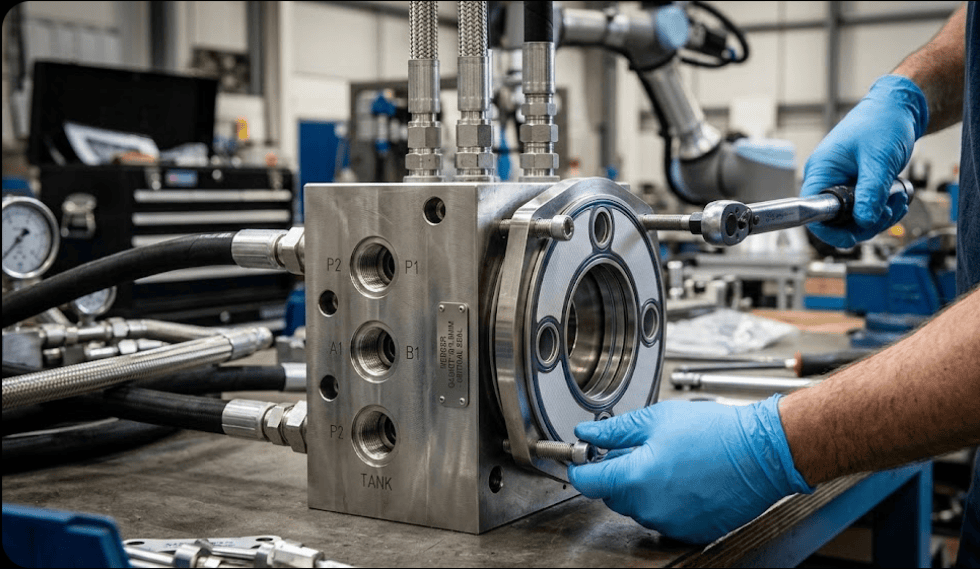
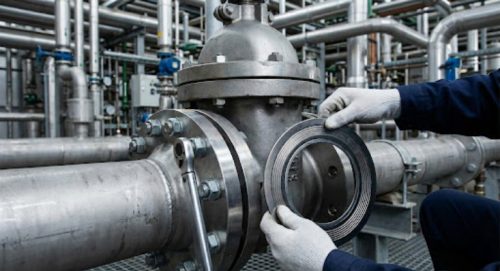 Valves are the control points of any fluid system, and their seals are critical for isolating, throttling, and diverting media without leakage.
 Food and Beverage:
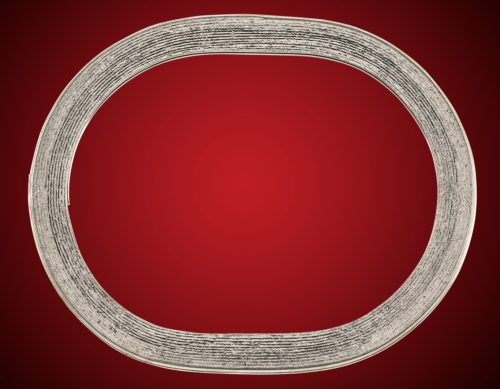 Mercer Gasket and Shim is proud to announce the expansion and modernization of our Custom Kammprofile gasket and double jacketed gasket manufacturing facilities in response to the growing demands of our customers. With increased capacity and adherence to the best manufacturing practices, we are now better equipped than ever to handle quick turnaround and emergency orders.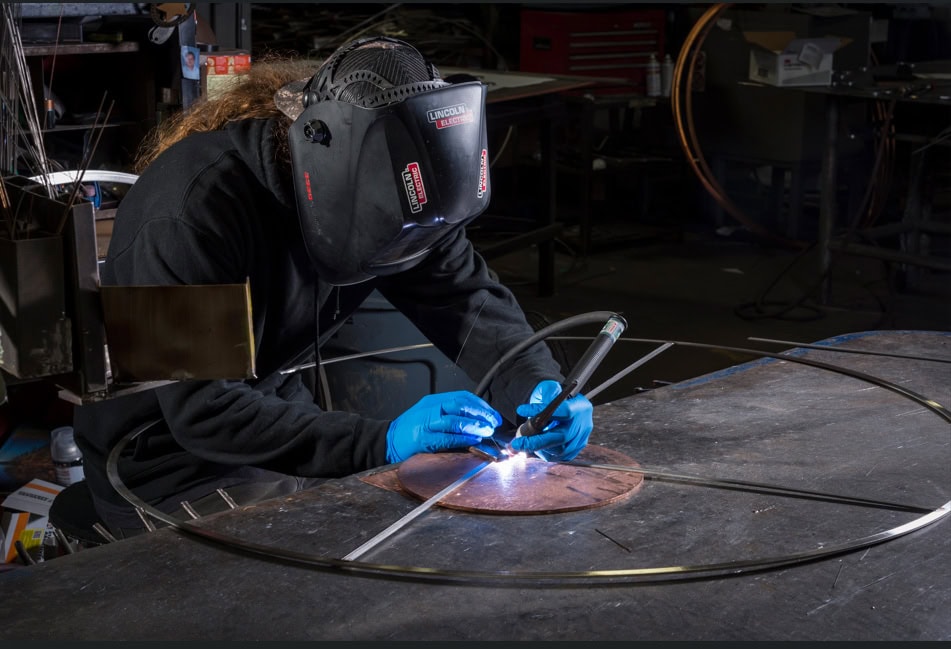
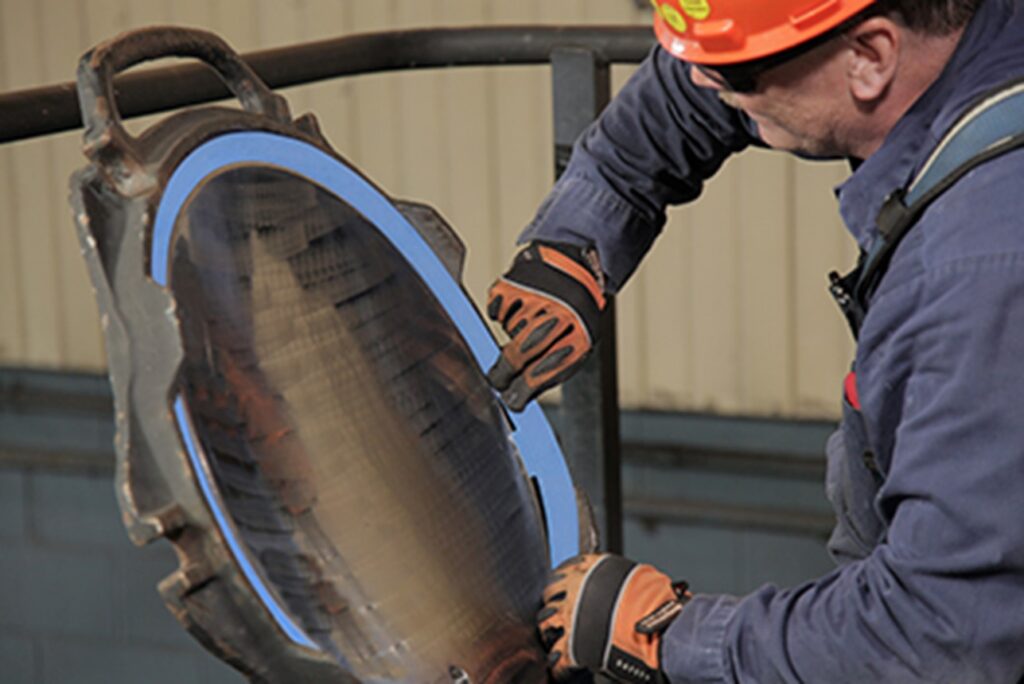
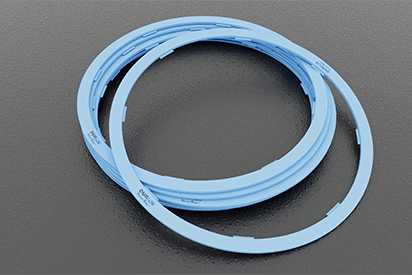 for NARs is heightened. The required tolerances for these conventional style gaskets are difficult to achieve and create quite a bit of scrap during the manufacturing process. In addition, if the ID is too small, installation becomes difficult if not impossible. On the other hand, if the ID is too large the gasket will easily fall out of the groove and into the manway nozzle. The result of this happening will cause leaks, splashes, and other releases from an improperly secured manway cover.