
Facing a Critical Pipe Sealing Challenge
Facing a critical pipe sealing challenge? Mercer Gasket & Shim delivers precision-engineered sealing solutions, whether you need a single emergency replacement for MRO or high-volume production for OEMs. Backed by decades of experience serving diverse industries where reliable fluid transfer is paramount, we have the expertise and advanced manufacturing capabilities to meet your exact specifications for pipe sealing.
Ready to discuss your sealing requirement? Contact us today! Keep reading to learn more about the industries we serve and the sealing solutions we provide, or contact us and speak with a sealing expert.
Industries Served
Oil and Gas: Pipes are the arteries of the oil and gas industry, transporting crude oil, natural gas, and refined products across vast distances. Reliable gasketing and sealing solutions are critical for preventing leaks in pipelines, refineries, and processing plants, ensuring safety, environmental compliance, and operational efficiency.
Chemical Processing: In the production of fertilizers, pharmaceuticals, and plastics, pipelines transfer a wide range of corrosive, abrasive, and high-temperature chemicals. Robust pipe seals are vital for containing hazardous materials, preventing spills, and maintaining process integrity.
Water and Wastewater Treatment: Municipal and industrial water systems rely on an extensive network of pipes to move raw water, treated water, sewage, and sludge. Effective pipe seals prevent leaks, protect water quality, and ensure the integrity of public health infrastructure.
Power Generation: Power plants use complex piping systems to circulate water in cooling towers, transport steam to turbines, and move fuel. High-performance pipe seals are essential for withstanding extreme temperatures and pressures, preventing costly downtime, and maintaining energy production efficiency.
HVAC and Refrigeration: Large-scale commercial and industrial HVAC systems depend on pipes to circulate refrigerants, chilled water, and hot water. Dependable pipe sealing solutions prevent leaks that could lead to energy loss, system inefficiency, and equipment damage.
 Food and Beverage: The food and beverage industry uses hygienic piping to transport liquids like milk, juices, sauces, and spirits. Sanitary pipe seals are crucial for preventing contamination, ensuring product purity, and meeting stringent health and safety regulations.
Pulp and Paper: Throughout the manufacturing process, pipes move abrasive pulp slurry, corrosive chemicals, and large volumes of water. Durable pipe seals are necessary to withstand these harsh conditions, ensuring operational continuity and preventing environmental contamination.
Marine: Ships and marine facilities use extensive piping for ballast water, engine cooling, fuel transfer, and firefighting systems. Pipe seals in this environment must be resistant to saltwater corrosion and able to withstand the vibrations and pressures of maritime operations.
Manufacturing: From metal finishing to textile production, many manufacturing processes rely on piped fluids for cooling, lubrication, and waste removal. Effective pipe seals prevent leaks that could damage equipment, disrupt production, and create unsafe working conditions.
Commonly Used Sealing Solutions for Pipes
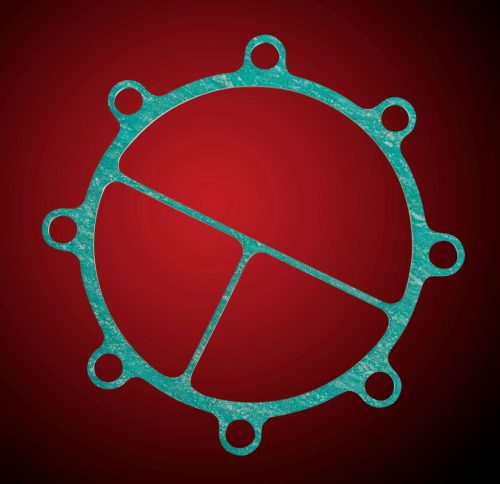
Gaskets
Why: Gaskets are the most common solution for sealing stationary connections between two pipe flanges. They create a static seal by filling the microscopic irregularities on the flange faces, preventing fluid leakage. Gaskets are available in a wide variety of materials, including compressed non-asbestos fiber, rubber, PTFE, and spiral wound metal, allowing them to be customized for a wide range of fluid types, temperatures, and pressures.
Where: They are ubiquitous in nearly all piping systems, from low-pressure water lines to high-pressure steam pipes. Gaskets are a cornerstone for MRO in pipeline maintenance and a key component for OEMs in the initial construction of piping assemblies.
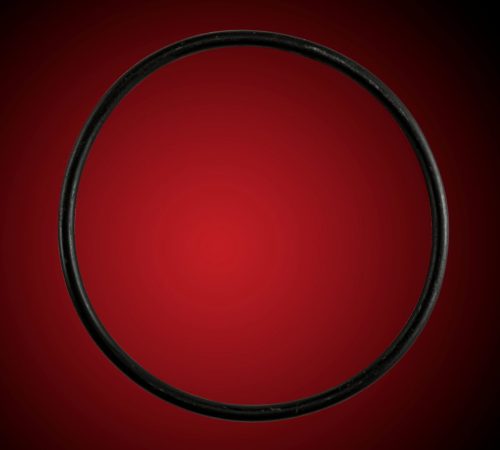
O-Rings
Why: O-rings are simple, cost-effective, and highly versatile seals, typically made from elastomeric materials like Buna-N, Viton, or EPDM. They are designed to be compressed in a groove between two mating surfaces, creating a reliable seal under moderate pressure and temperature. Their circular shape allows them to be compressed equally in all directions, making for an effective and easy-to-install seal.
Where: Used extensively in smaller pipe connections, valve fittings, and specialized couplings where a simple, reliable static seal is needed. They are a common choice for both OEM assembly and MRO repairs due to their adaptability and wide material compatibility.
Joint Sealants & Tapes
Why: Unlike pre-formed gaskets, joint sealants and tapes (like PTFE tape or pipe thread sealant) are applied directly to the threads of pipe connections. They work by filling the gaps between the male and female threads, creating a leak-proof seal as the connection is tightened.
Where: They are primarily used in threaded pipe connections, particularly in plumbing, HVAC, and industrial applications where traditional flange gaskets aren’t applicable. These are staple products for general MRO and are used by plumbers and pipefitters on a daily basis.
Factors Influencing Pipe Sealing Solution Selection
The choice of a sealing solution for a piping application depends on several critical factors, including:
- Fluid Characteristics: The type of fluid being transported (e.g., its corrosivity, temperature, viscosity, and pressure) dictates the required material compatibility and seal design.
- Operating Conditions: The system’s pressure, temperature, and any presence of vibration or stress are crucial for determining the robustness of the seal. High pressures and temperatures often require more advanced solutions like spiral wound gaskets.
- Pipe and Flange Type: The specific type of pipe, material, and flange design (e.g., raised face, flat face) will determine the compatible sealing solutions.
- Leakage Tolerance: For applications where any leakage is unacceptable (e.g., hazardous chemicals or clean processes), a highly effective and reliable seal is essential to ensure safety and compliance.
- Maintenance Requirements and Lifespan: The desired service life of the seal and the ease of future maintenance are important considerations for both MRO and OEMs.
Mercer’s experienced team considers all of the above to provide expert guidance in pipe sealing solution selection. We carefully consider critical factors to ensure your fluid transfer systems operate with optimal safety, efficiency, and environmental compliance. We’re committed to helping you find the perfect sealing solution for your specific industry and pipe application, whether for MRO or OEM needs. Contact the Mercer team today!